Why the first 48 hours matter
Water spreads quickly through floors, walls and ceilings. Drywall wicks moisture upward, wood flooring absorbs it and insulation holds it like a sponge. Within a day or two, materials can swell and warp, and mold can begin to grow on damp surfaces.
Acting quickly limits the damage and the repair bill.
Step 1: Make it safe
Safety comes first. If water is near outlets, appliances or the electrical panel, turn off power to the affected area at the breaker if you can do so safely, and do not walk through standing water near electrical equipment. If you smell gas or see structural sagging, leave the home and call emergency services.
Step 2: Stop the water source
Shut off the main water valve or the valve to the failed fixture. If the source is a roof leak, place buckets and tarps to slow the flow. A plumbing failure may require a repair before restoration can begin, and our plumbing services can help.
Step 3: Document everything
Before moving anything, take clear photos and videos of the damage, including affected belongings and the source of the water. Make a list of damaged items. Contact your insurance company to open a claim, and keep receipts for emergency expenses.
Step 4: Remove standing water and start drying
Remove small amounts of water with towels, mops or a wet vacuum. For larger amounts, professional extraction equipment is needed. Open windows when weather allows and move wet rugs, furniture and electronics to a dry area.
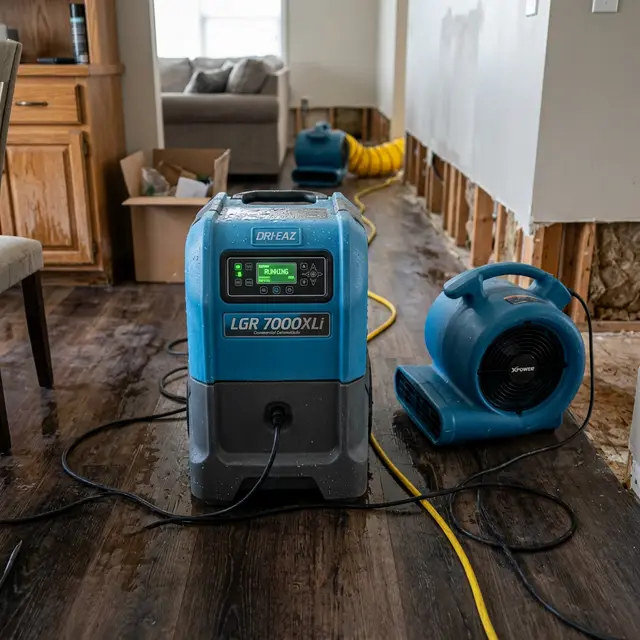
Surface drying is not enough. Moisture hides inside walls and under flooring, and structural drying with commercial dehumidifiers and air movers is often needed.
Step 5: Prevent mold and plan repairs
Mold needs moisture, so thorough drying is the best prevention. Porous materials that stayed wet for a long time, such as carpet padding and soaked drywall, may need to be removed. Air scrubbers help control airborne particles during demolition, which is why we use air scrubbing on many jobs.
After drying, damaged areas are rebuilt. Learn more about our full water damage restoration service, or call (805) 336-5483 if you need help now.
Frequently Asked Questions
-
What should I not do after water damage?
Do not use household vacuums on wet carpet, do not turn on ceiling fixtures under a wet ceiling and do not ignore damp odors.
-
Is water damage covered by insurance?
It depends on the cause and your policy. Document everything and talk to your insurer promptly.
Need Help With Your Project?
Midwest Home Services 805 provides free estimates throughout Oxnard and Ventura County. Call (805) 336-5483 or request a free quote online.